


“Embracing the Trend of Building Valuation Based on Carbon and Energy” – Viglacera’s Message at the VECAS Carbon Emission Reduction Workshop
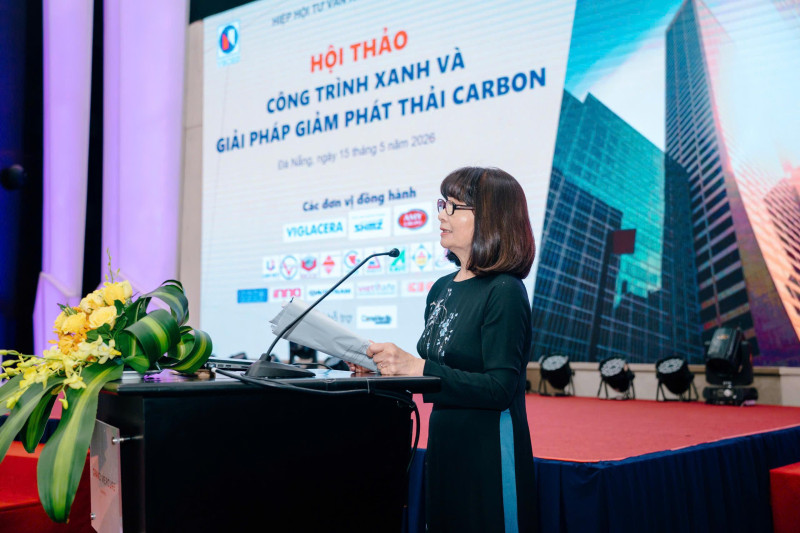
In the race to Net Zero, the construction industry is facing unprecedented pressure: reducing carbon emissions while simultaneously optimizing operating costs and enhancing asset value. At the Workshop on "Green Buildings and Carbon Emission Reduction Solutions" organized by the Vietnam Engineering Consultant Association (VECAS), Viglacera delivered a notable message: energy-saving materials will no longer be an optional add-on, but rather the foundational cornerstone of future construction.
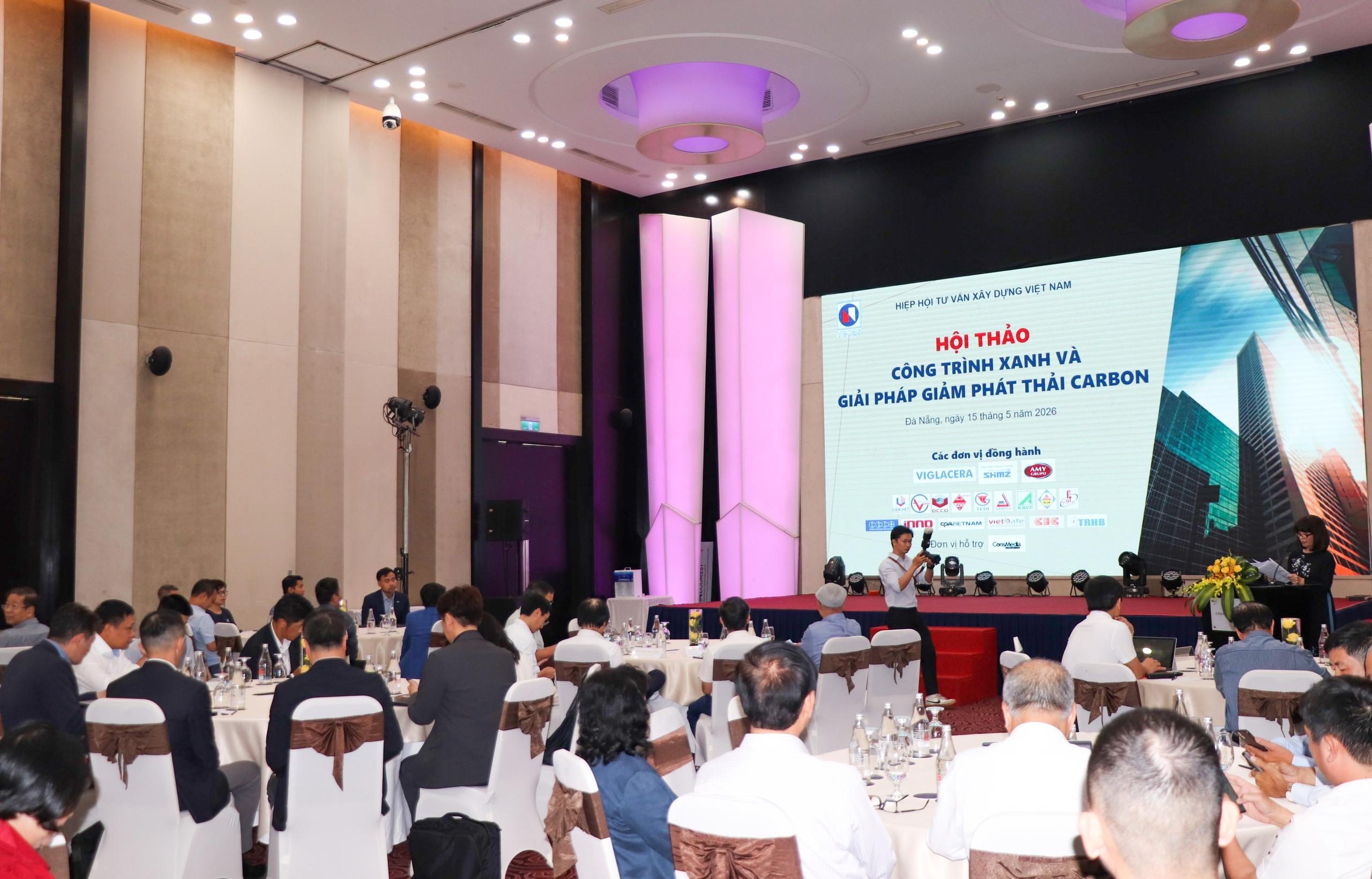
Sustainable Development Strategy in the New Era
ESG (Environmental, Social, and Governance) criteria are reshaping how the market values real estate and construction projects. In this context, green material solutions featuring transparent carbon data, energy-saving capabilities, and international standard compliance are emerging as a new competitive edge.
Sustainable development and greenhouse gas (GHG) emission reduction are no longer voluntary goals; they have become strategic directions and mandatory legal requirements.
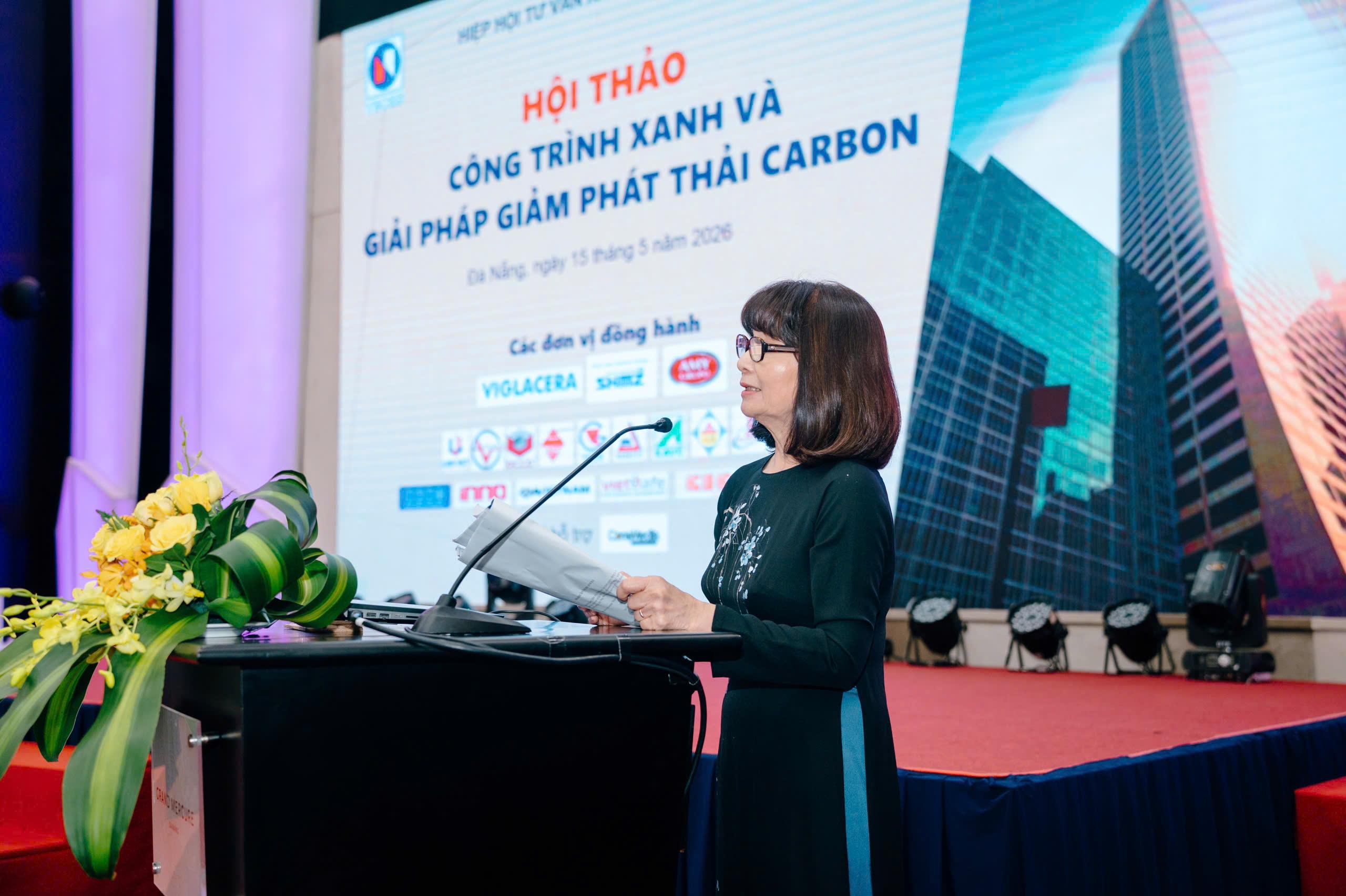
In Vietnam, this transition is happening faster than predicted. Decrees 06/2022/ND-CP and 119/2025/ND-CP, alongside the operational roadmap for the carbon credit market spanning 2025–2028, are creating an urgent need for governance and operational mindset innovation among all construction and real estate enterprises.
Mr. Nguyen Huu Tien, Deputy Director of the Department of Science, Technology, Environment, and Building Materials (Ministry of Construction), stated that by the end of Q1/2026, the country recorded 828 green buildings (covering 20.8 million square meters of floor area). This places Vietnam 8th out of 180 countries and territories outside the US for the number of LEED-certified green building projects globally.
The Major barrier: At the workshop, VECAS experts and regulatory representatives frankly pointed out that the biggest hurdle for developers today lies in integrated design capabilities and the cost dilemma associated with Life Cycle Assessment (LCA).
In reality, LCA and environmental data disclosure requirements are putting fresh pressure on developers. Imported materials with international certifications often carry extremely high assessment and certification costs.
At the workshop, experts affirmed that utilizing domestic materials with certified Environmental Product Declarations (EPD) based on Vietnamese manufacturing sources can help projects reduce assessment costs by 50–70%. This economic incentive is driving businesses to accelerate the provision of transparent carbon data, effectively unlocking a vital missing link in the green building ecosystem that Vietnam is pursuing.
Innovation and Market leadership through Energy-saving solutions
One of the topics drawing significant attention at the workshop was the role of energy-saving glass, as it directly impacts a building's energy consumption. For tropical urban areas like Vietnam, this is no longer just a technical detail but a long-term financial strategy.
Capturing this inevitable trend, Viglacera has continuously innovated its production technologies to offer a comprehensive Energy-Saving Glass solution portfolio—recognized as one of the 5 key material groups determining a building's energy efficiency.
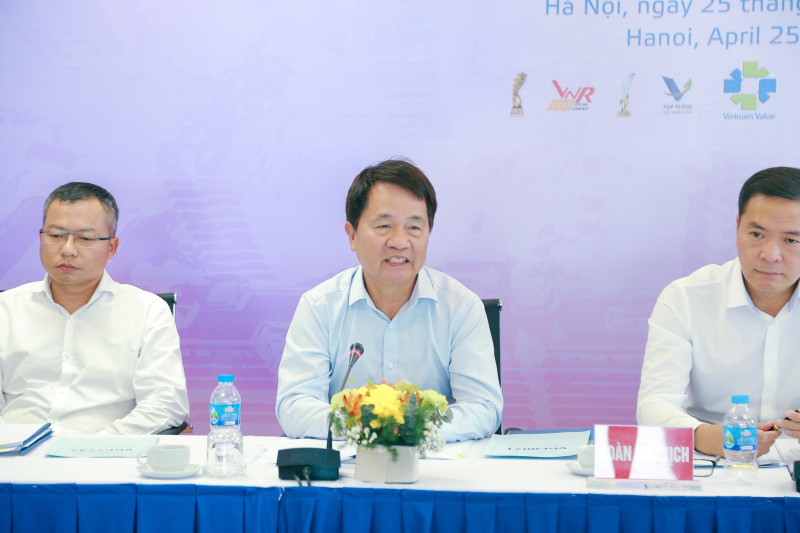
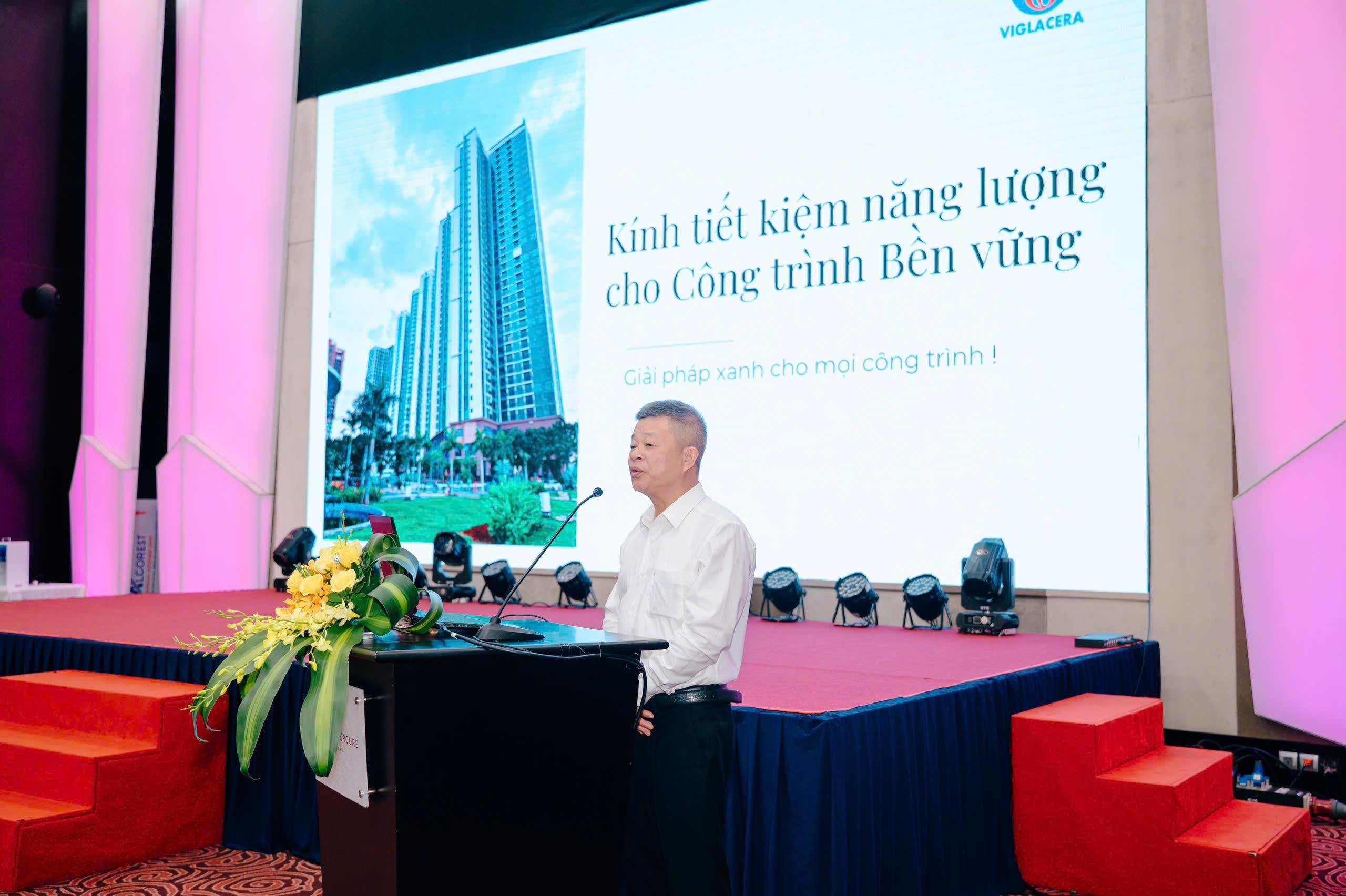
A Viglacera representative shares energy-saving glass solutions for next-generation green buildings.
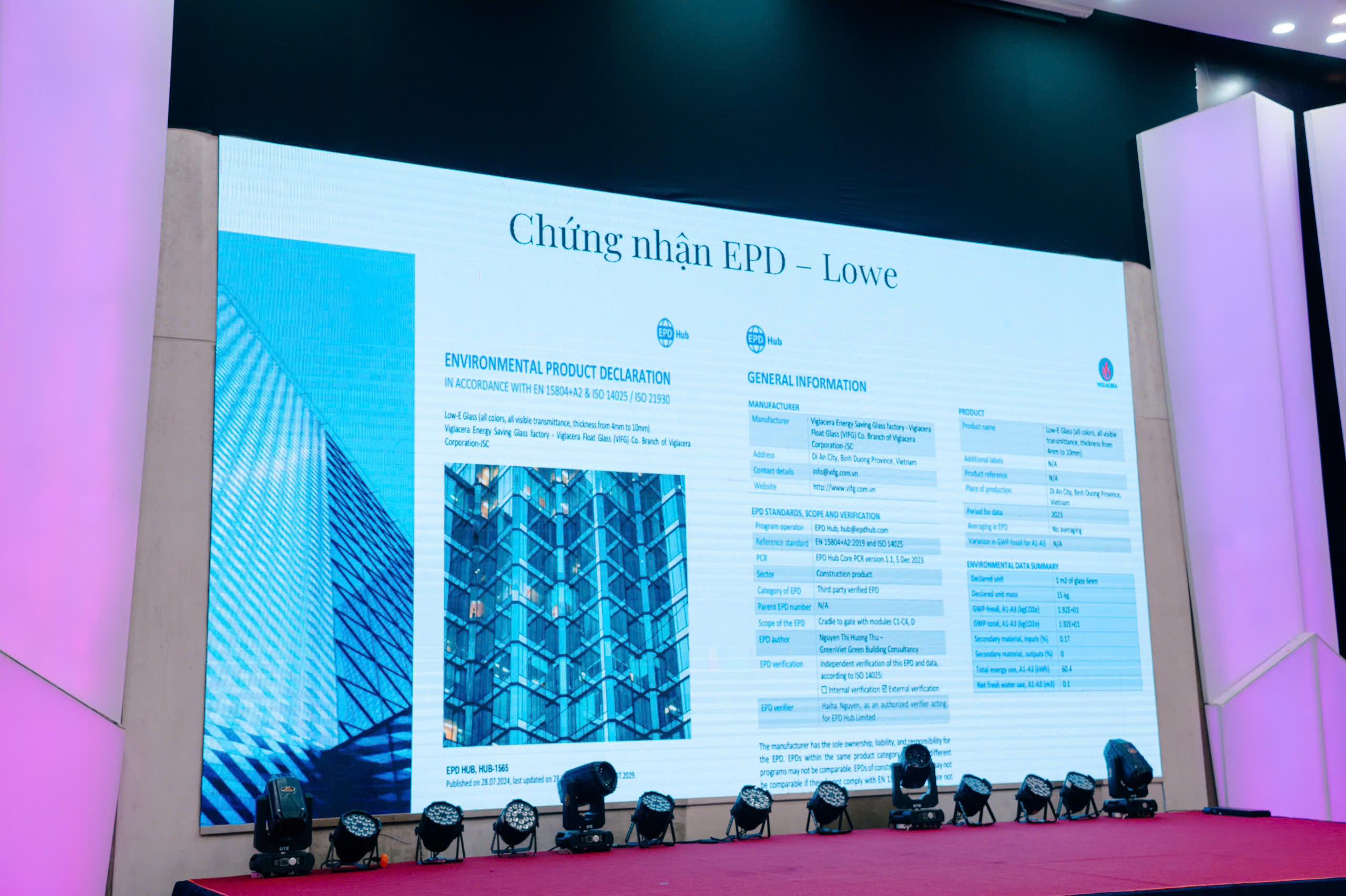
Built on modern technology transferred from the Federal Republic of Germany, Viglacera’s products have earned American-standard EPD (Environmental Product Declaration) green certification, meeting the stringent requirements of international green building standards (LEED, EDGE, GREENMARK, LOTUS).
Notably, demonstrating exceptional governance capabilities and a circular economy mindset, Viglacera has optimized its processes to achieve a glass recycling rate of up to 20% in production.
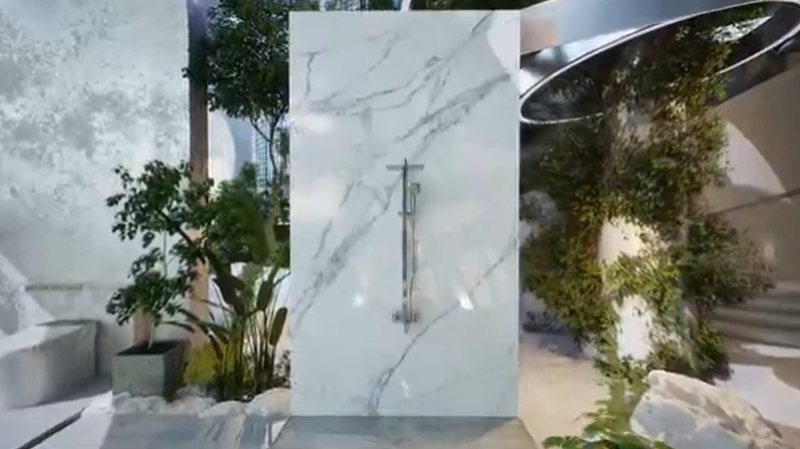
At the workshop, Viglacera introduced its two strategic product lines: Solar Control and Low-E—solutions currently regarded as the "energy filters" of modern architecture. Viglacera's energy-saving glass can insulate up to 79%, effectively controlling solar radiation by blocking up to 99% of UV rays and reducing air conditioning energy consumption by up to 51%.
Enhancing competitiveness and investment risk management
Remarkably, Viglacera does not approach energy-saving glass as a standalone product. The enterprise positions it as part of the "material infrastructure" for green buildings, where materials directly influence financial outcomes, ESG compliance, and asset valuation:
Optimizing Investment Costs: Applying Viglacera glass during the preliminary design phase lays the groundwork for streamlining mechanical, electrical, and plumbing (MEP) systems, preventing wasted capital investment on oversized air conditioning systems.
Improving Operational Efficiency: Empirical data shows that Viglacera’s solutions cut air conditioning power consumption by up to 51%, lowering overall operating costs. The return on investment (ROI) for the incremental costs of achieving green certification is highly optimized.
Increasing Asset Value: Properties implementing green standards record a 12% increase in asset value and achieve a 95% occupancy rate—an outstanding advantage over conventional projects (data aggregated from the Vietnam Green Building Council - VGBC - and the Savills 2024 market report).
Meeting ESG Frameworks: Viglacera's transparent EPD data system serves as the "key" for developers to accurately quantify embodied carbon, thereby enhancing the quality of ESG reporting and expanding access to green credits and foreign direct investment (FDI).
Embracing the Trend of Carbon and Energy valuation
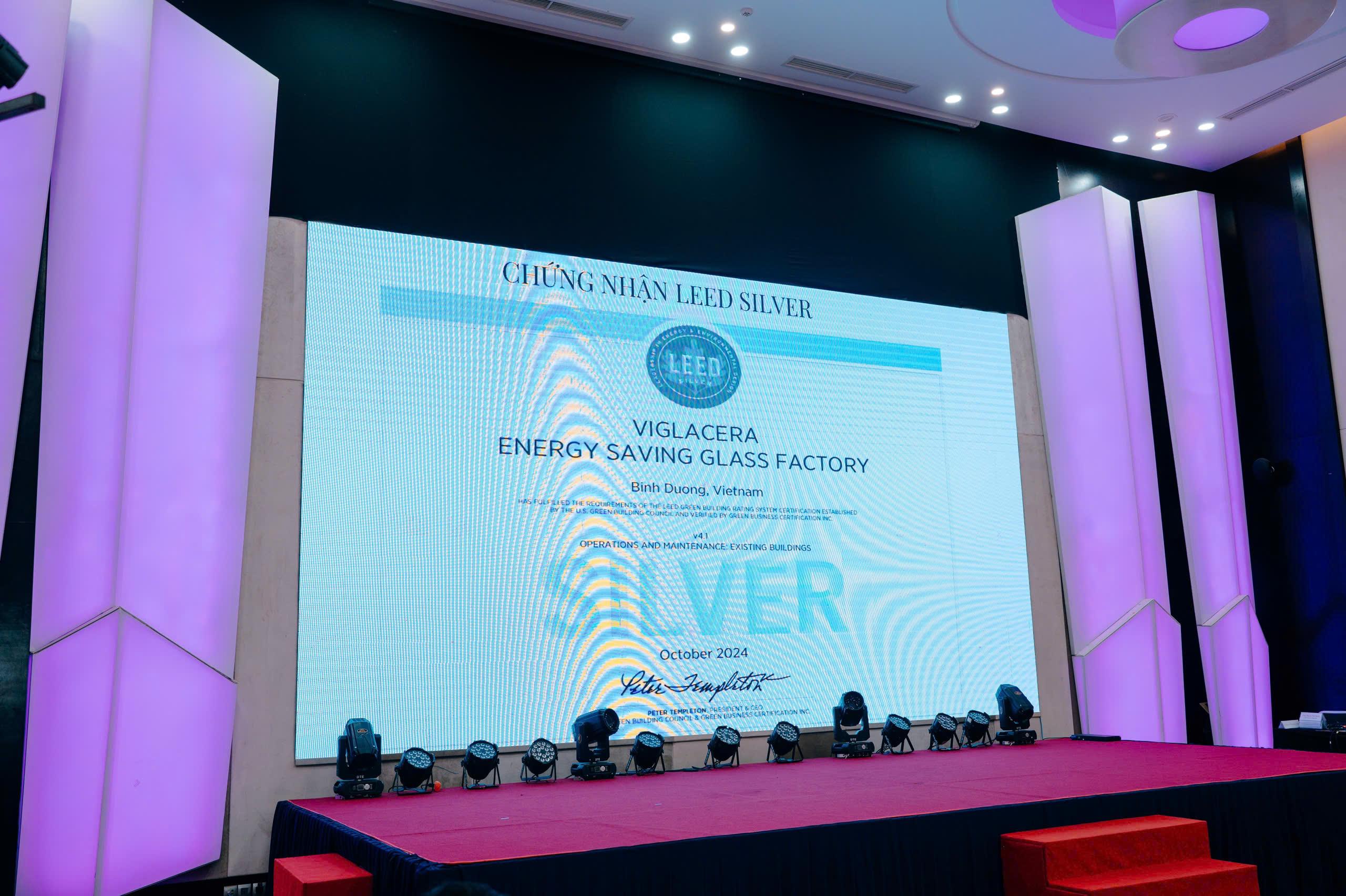
Viglacera’s sustainable development philosophy is realized not only through its products but within its manufacturing processes. In October 2024, the Viglacera Energy-Saving Glass Factory in Binh Duong was officially awarded LEED Silver certification, proving its capability to control its carbon footprint right from the production phase.
Viglacera's products have been contributing to shaping the country’s iconic projects, such as the Vietnam Securities Depository (Lotus Silver), the NCB Bank Headquarters in Da Nang, Novaland Offices, as well as mega-projects like AEON Mall and Vincom Mega Mall.
In a market where carbon is gradually becoming a new invisible cost for businesses, building materials are entering an era of redefined value.
Stepping into a new development cycle, Viglacera is committed to leveraging its corporate governance, driving mindset shifts, and fostering innovation. The Corporation will continuously strengthen its leadership position, partnering closely with the Government, VECAS, and the business community to build a genuine green building ecosystem, making a practical contribution to the nation's Net Zero 2050 target.
Viglacera Corporation Brand & Communications Department