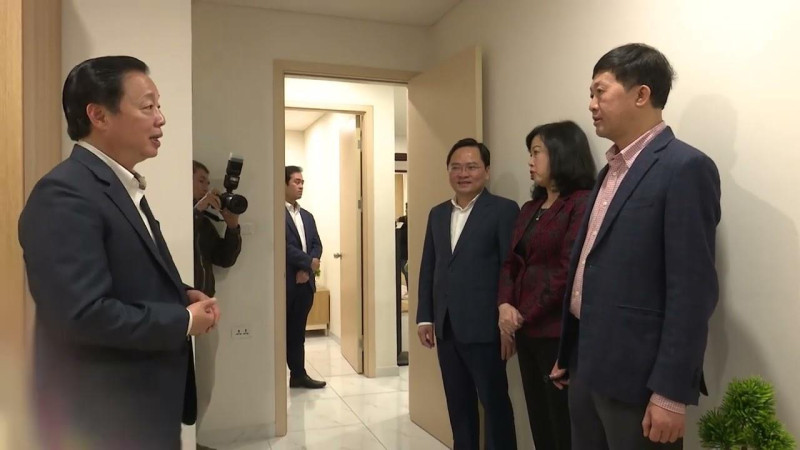



VIGLACERA ACCOMPANIES THE SCIENTIFIC SEMINAR “ADAPTIVE ARCHITECTURE & DISASTER PREVENTION” IN DA NANG CITY
Climate change and increasingly extreme disaster scenarios have forced Vietnam’s Architecture – Construction industry to change its mindset from “passive response” to “proactive adaptation”.
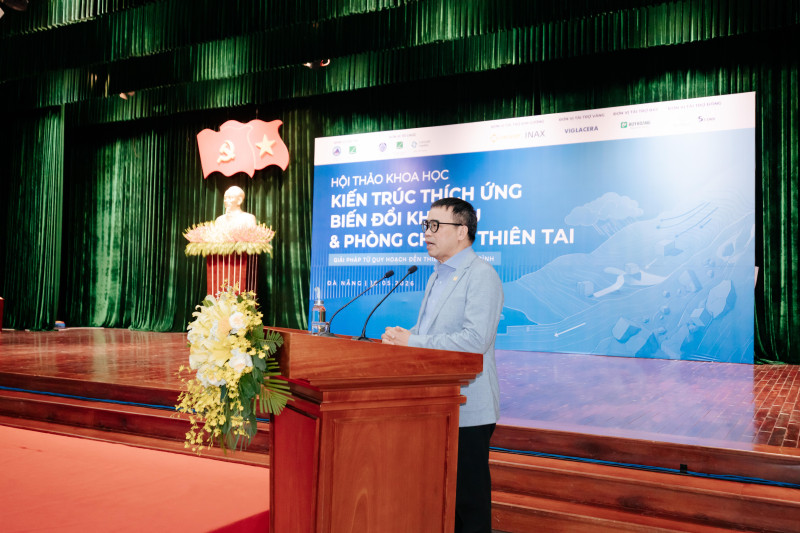
At the scientific seminar “Adaptive Architecture & Disaster Prevention: Solutions from Planning to Building Design” organized by the Vietnam Association of Architects in coordination with the People’s Committee of Da Nang City, scientists frankly pointed out that traditional solutions are gradually reaching their limits against the severity of nature.
In that context, the participation of building materials manufacturers such as Viglacera carries the message: Surface materials are no longer passive finishing layers – they must become a core component in the proactive defense system right from the design and specification stages of building materials for construction works.
When disasters exceed the control of traditional solutions
This is one of the largest academic forums in this field in recent years, gathering leading experts, architects, managers and prestigious building materials enterprises in the country.
The central message of the Seminar is also the challenge posed to the entire industry: Planning and Architecture must become the first line of defense from urban spatial design to building design – covering the entire roadmap of the 2026–2030 period.
The reality throughout the country, from North to South, along the Central and Central Highlands regions, continuously shows that disasters no longer operate according to predetermined cycles, but increasingly overlap and become more complex among major storms, extreme rainfall and urban flooding. More dangerously, they are becoming increasingly unpredictable, causing serious damage to people and property exponentially.
This reality forces experts, managers and the architecture and construction consulting community to directly face one limitation: Traditional prevention solutions can no longer keep up with the speed and intensity of climate change, therefore very much requiring new supplementary solutions.
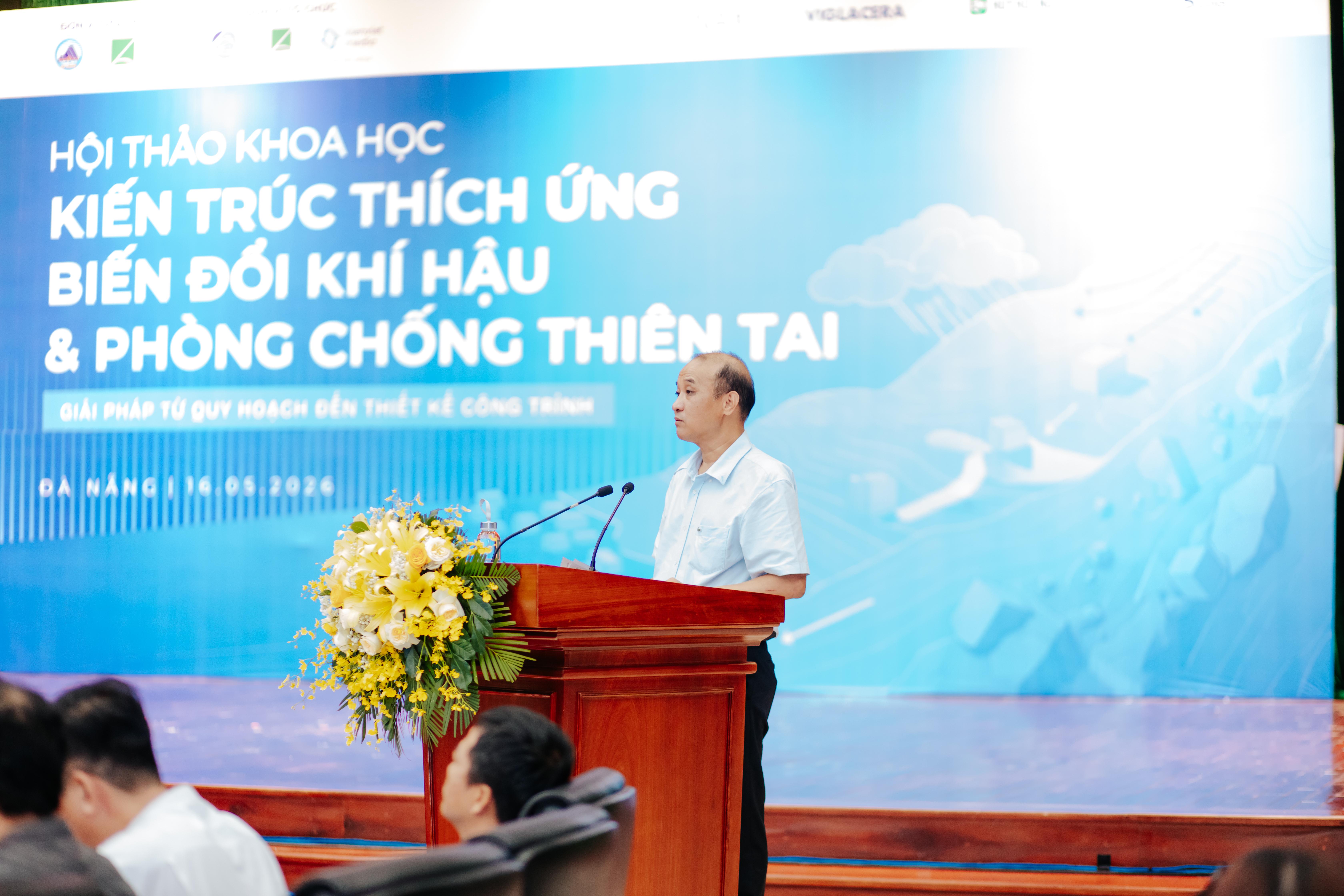
Viglacera - Building materials as an important component in disaster response strategy
In that context, Viglacera approaches the story of materials from a new perspective, creating product solutions to address the urgent needs of the times.
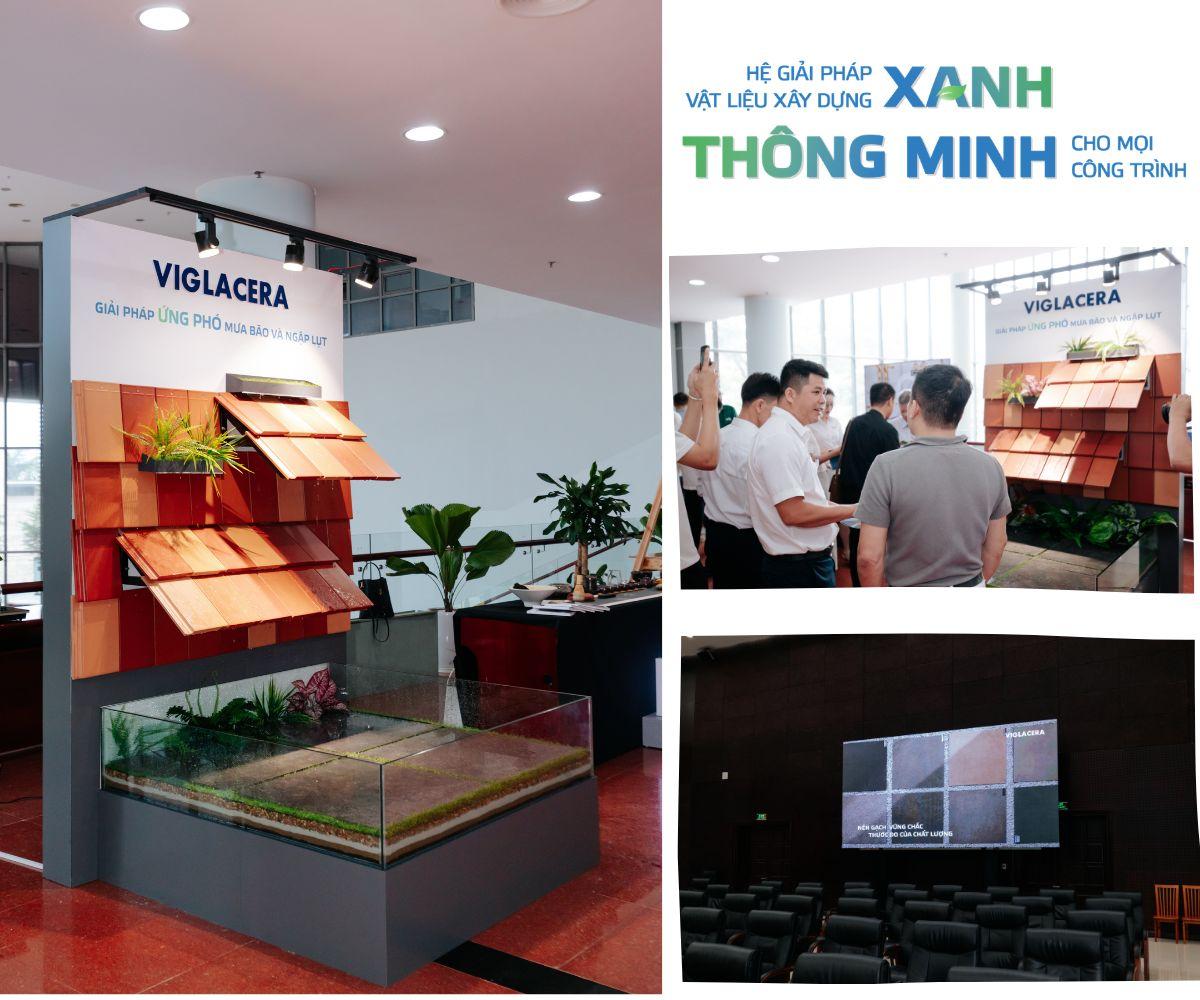
At the seminar, Viglacera introduced to the community of architects and construction experts a proactive solution for responding to storms and flooding, featuring high-strength Porcelain tiles and premium glazed roof tiles. This surface material solution is specifically designed for the harsh weather conditions of regions that frequently face storms and flooding, such as the Central and Central Highlands of Vietnam.
Premium glazed roof tiles provide comprehensive protection for the structural depth of buildings, starting from the roof. The rib and drainage channel system is designed not only to ensure optimal water drainage but is also specially structured to resist leaks and roof uplift, even under strong gusts during storm seasons. In terms of aesthetics, this material creates a distinctive architectural rhythm for projects that require long-lasting beauty.
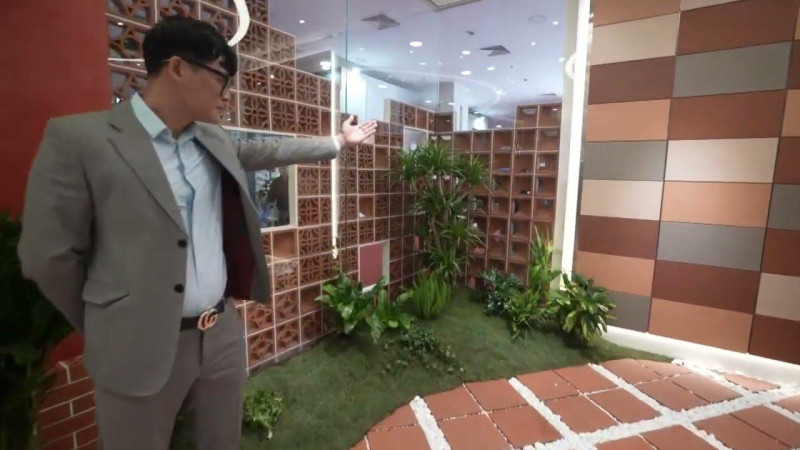
Porcelain tiles, with a thickness of 15–20 mm and an open-joint installation technique, serve as the next layer within the structural depth. Instead of creating concrete surfaces that block natural rainwater drainage and cause localized flooding, this solution forms a proactive “pathway” for water drainage, while also helping to replenish increasingly depleted urban groundwater due to urbanization. It is an ideal solution for raised floors, swimming pools, walkways, and outdoor spaces that demand high durability and rapid recovery after heavy rain.
Thus, with only two product lines, three layers of defense and climate adaptation are established: Layer 1 - Proactively controls the flow of rainwater from the roof to the ground; Layer 2 - Works in coordination with other solutions to accelerate drainage during heavy rainfall, providing comprehensive protection for the building structure throughout its depth; Layer 3 - Retains part of the groundwater for urban areas, addressing a major drawback of urban concretization.
Adaptive architecture needs to begin with material selection
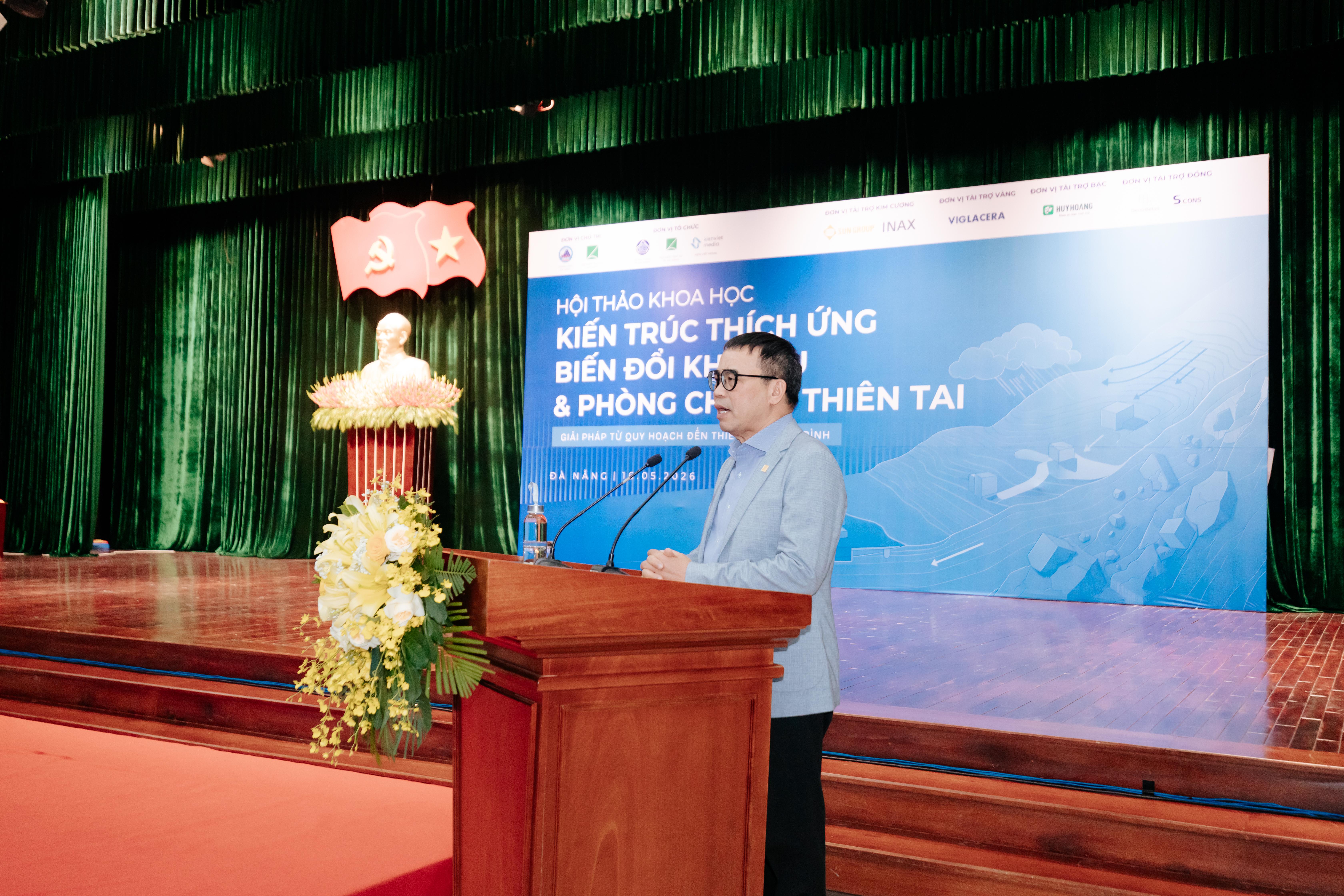
On the overall scale, while natural disasters were previously considered variables to be incorporated into design calculations, building materials are now increasingly playing a more important role in contributing to upgrading the value of design.
This is very consistent with the assessment of Dr. Architect Phan Dang Son - Chairman of the Vietnam Association of Architects in his closing speech at the Seminar, that accumulating experience, applying science and technology and building materials closely linked to the natural - social - economic - cultural - human characteristics of each locality will contribute to sustainable development against severe climate change.
According to this frame of reference, Viglacera needs to clearly define its role - a place producing surface materials capable of impacting disaster prevention efficiency, operational capability and the overall lifespan of buildings.
Entering a new development phase, Viglacera commits to continuing to promote technological innovation capabilities, while strengthening connections with the community of architects, experts and partners - jointly creating a material foundation for Vietnamese buildings that are not only sustainable over time, but also better adapted to climate change and natural disasters in the future.
Viglacera Corporation Brand & Communication Department