


Why did the investor of the Kim Chung Social Housing Project choose direct submission of application dossiers?
The context of digital transformation and a noteworthy choice
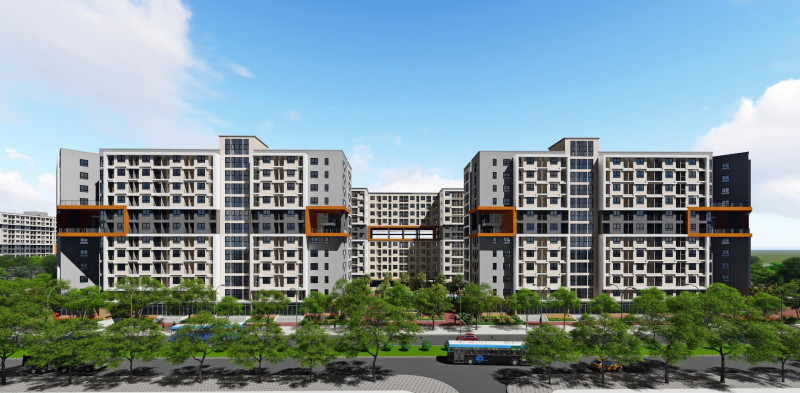
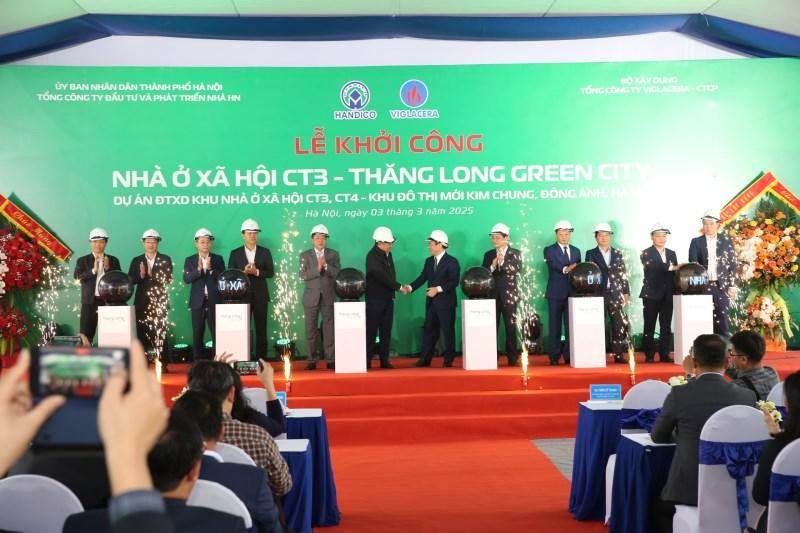
In an era of booming digital transformation, many administrative procedures have been moved online in order to reduce the burden on citizens. However, the consortium of investors Handico – Viglacera of the Kim Chung social housing project chose the option of receiving application dossiers directly. In the early days of implementation, this decision attracted public attention, especially from young people. Explaining this choice, the investor consortium stated that there were many reasons, but in essence, in the current context, this is a way for all people with housing needs to be able to submit dossiers with the greatest peace of mind. This is because the nature of dossiers for registering to purchase social housing (SH) is to provide policy beneficiaries with opportunities to access housing products of high social security value, but they are frequently targeted by intermediaries. Therefore, direct submission is considered an appropriate measure to protect the legitimate rights and interests of citizens.
Ensuring that everyone with demand can submit dossiers
The investor consortium stated that the most important objective is to ensure that all citizens with genuine demand are able to submit dossiers in accordance with regulations. Although dossier templates were published in advance on the websites of Viglacera and Handico, and publicly disclosed at Thien Loc Commune People’s Committee and through various press channels about one month prior to the receipt period, in reality not everyone was able to access or fully understand and correctly apply those templates to their own cases. This led to situations where citizens might use incorrect forms (or fill them out inaccurately).
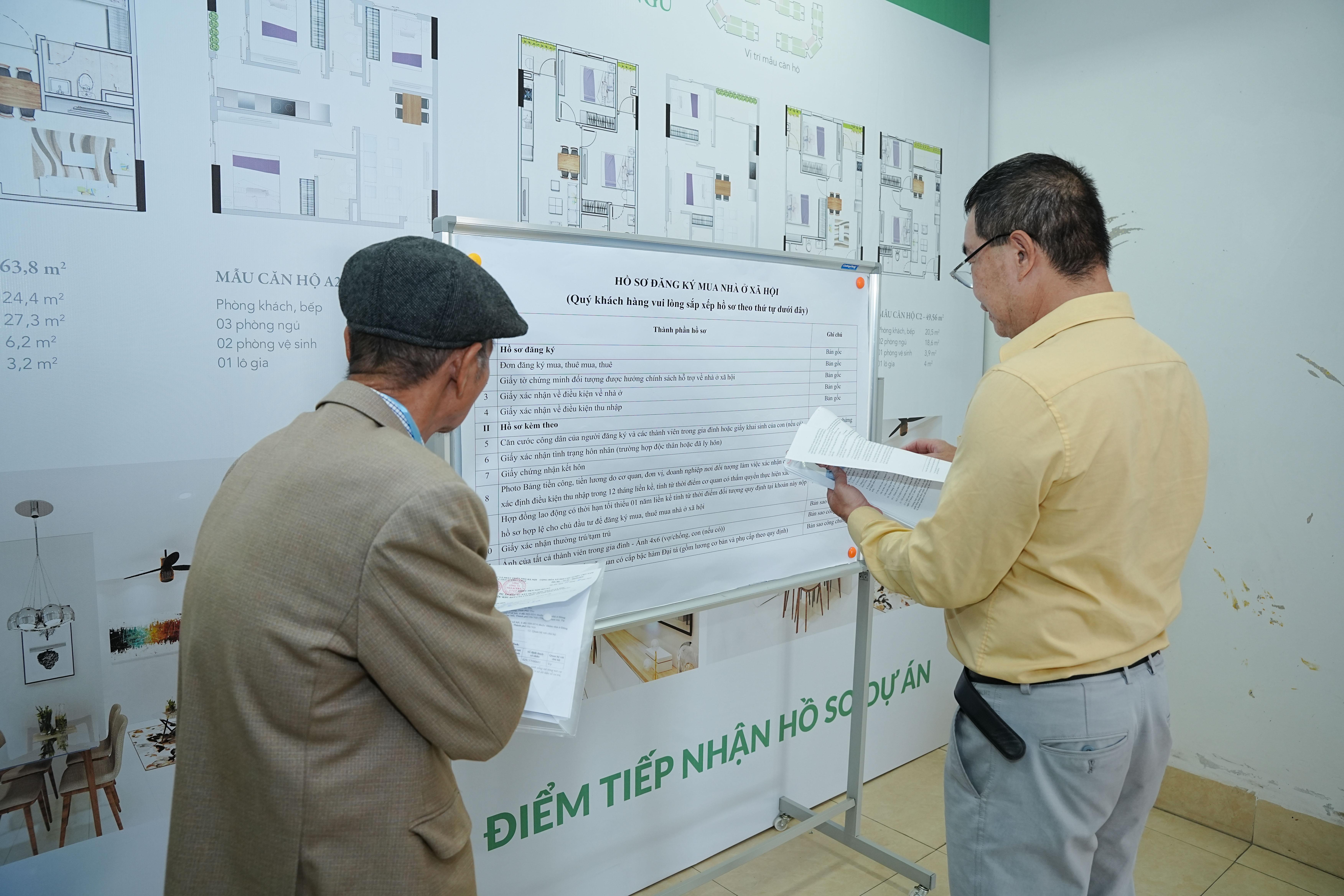
Dossiers for purchasing social housing are highly legal in nature, requiring correct templates, correct content, and proper certification by competent authorities. When submitting directly, citizens are reviewed on the spot by staff. If anything is missing or incorrect, staff will provide free guidance for corrections and schedule a date for resubmission, without intermediaries and without additional costs. This is something that online submission cannot fully support, especially for those with limited experience or limited access to internet technology (for example: elderly people, people with meritorious service, those who do not regularly interact with the online environment, or those who are not proficient in legal guidance documents related to social housing).
Blocking brokers, fraud, and the trading of purchase slots right from the gate
The greatest strength of the direct submission option lies in its ability to control risks. The investor established a strict inspection process right at the entrance: applicants must bring their own citizen identification card, matching the name on the dossier; at the same time, they must present Form No. 02 certified by the local authorities confirming housing conditions, with information consistent with that on the citizen ID. This approach aims to eliminate brokers exploiting loopholes to collect dossiers, trade purchase slots, or have others submit dossiers on their behalf. These behaviors are most likely to arise with online submission, as it is not possible to directly verify the identity of the submitter and the beneficiary. The investor considers transparency and correct targeting as the most important criteria; therefore, the direct method is regarded as the most suitable option at the present time.
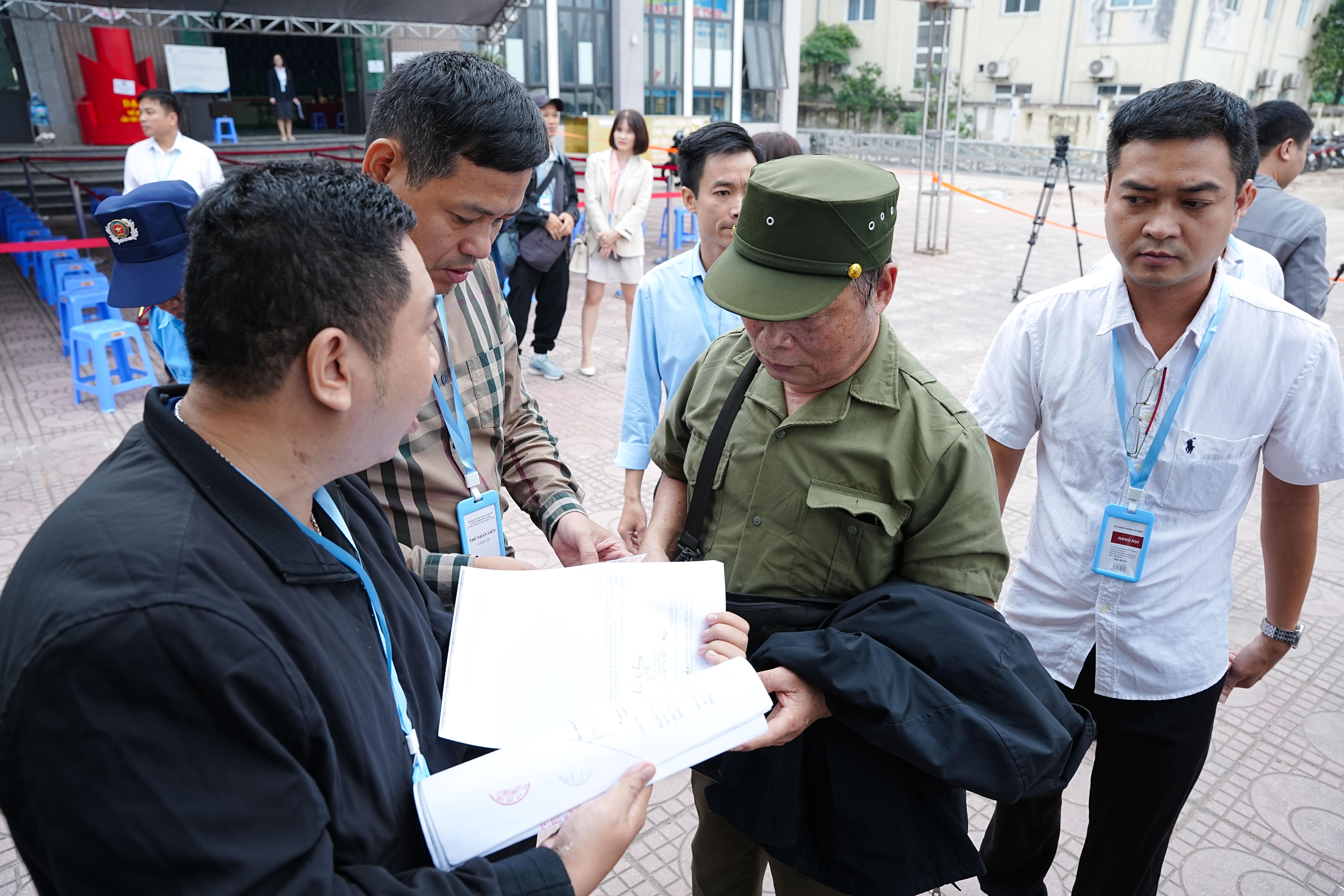
In reality, online submission can still be very effective if traffic volumes are not too large and technical infrastructure is sufficiently strong. However, given the extremely high demand for the CT3 project (Kim Chung Urban Area), choosing online submission carries the risk of network congestion, making it impossible for citizens to know what stage their dossiers are in. This situation could lead to anxiety and give rise to negative solicitations such as “priority processing” or “expedited dossiers”.
A scientifically operated direct reception process
To avoid crowding or excessive waiting times, the direct dossier submission process at the CT3 Kim Chung Urban Area project was designed with multiple clear steps. One month before opening reception, detailed guidance for 12 beneficiary groups was publicly posted on the investor consortium’s website and widely disseminated through Hanoi People’s Committee, Thien Loc Commune People’s Committee, as well as the press.
When arriving to submit, citizens go through the document inspection step at the gate as mentioned above. They then proceed to the automatic number-dispensing machine area to receive a printed ticket, which specifies a concrete date and time.
At the reception office, each dossier is initially reviewed by staff. It is then transferred to the consultation office.
There, if the dossier is correct, a receipt slip is issued. If there are shortcomings, staff will note instructions for the citizen to take home, complete the dossier, obtain certification from relevant authorities, and then return to submit on the scheduled date printed on the ticket.
This flow-based model may initially seem time-consuming, but in essence it resolves many core issues related to social housing application dossiers, such as: correct beneficiaries – correct templates – complete dossiers – reducing anxiety for citizens about dossier quality. Ultimately, it becomes a solution that shortens processing time while ensuring a high level of accuracy.

Increasing reception capacity and extending time if necessary
In response to the project’s high demand, the investor consortium stated that it has continuously adjusted reception capacity. The number of dossiers received per day increased from 50 to 80 starting November 25, 2025, and to 100 dossiers per day from December 1, 2025. In addition to opening more reception desks, working hours were also extended: mornings from 8:00 to 12:00 and afternoons from 13:00 until the last applicant is served. If dossier volumes continue to rise sharply, the investor will propose to the Hanoi Department of Construction to extend the reception period beyond the original plan (i.e., beyond January 3, 2026). The objective is that every citizen with genuine demand has the opportunity to submit a complete dossier on time.
Reality proves this is the right approach
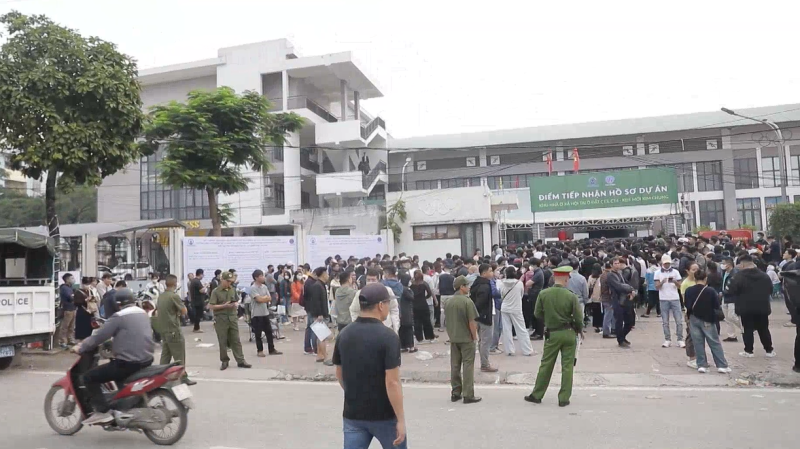
In the first two days of implementation, due to anxiety about “arriving late and losing a slot,” the number of citizens lining up was very high. This is understandable, as people highly value the opportunity to purchase social housing at a price of VND 18.4 million/m² (including 5% VAT and 2% maintenance fee). Moreover, this is a product developed by two investors with extensive experience and strong reputations in social housing development.
However, from the third day onward, when citizens clearly understood the transparent process, had queue numbers, and received specific appointment slips for submission dates—thus avoiding overcrowding and jostling—the number of people lining up to take appointment numbers decreased significantly, to only about 400–500 dossiers per day. This reality demonstrates that the controlled, well-structured direct reception approach is entirely appropriate, helping to reduce pressure, avoid bottlenecks, and ensure the rights and interests of all citizens.
Studying online submission in the future when infrastructure is sufficiently strong
Although choosing the direct method at present, Handico and Viglacera affirm that they will study the implementation of online dossier submission when the digital environment, population data, land and housing data, as well as the level of technological readiness of citizens, reach sufficient maturity. The investors emphasize that digital transformation is an irreversible trend, but at the current stage, for special social security policies such as social housing, caution is necessary to ensure that fairness, transparency, and correct targeting are prioritized…